


Designing Distraction: How Tech Giants Failed to Warn Us About the Dangers of Infinite Scroll
- KingMe Brand
- Apr 20
- 4 min read

The recent verdict by a Los Angeles jury against Meta and Google has brought a critical issue into the spotlight: the design of apps that keep users hooked, often without clear warnings about their risks. The case focused on features like infinite scroll, which encourage endless engagement by design. Jurors found both companies negligent for how these apps were built and for failing to alert users about potential harms. This verdict reminds us that distraction is not always random. Some systems are deliberately created to overstimulate, disrupt focus, and pull us off balance. Understanding this helps us see why discipline is more than avoiding distractions—it’s about quickly regaining control in a world designed to pull us away from our rhythm.
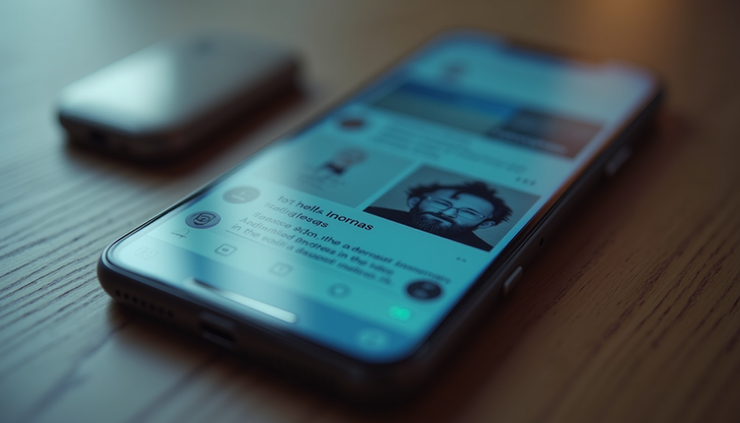
Infinite scroll keeps users engaged by showing continuous content without natural stopping points.
What Is Infinite Scroll and Why Does It Matter?
Infinite scroll is a design feature that loads new content automatically as you reach the bottom of a page or feed. Instead of clicking to the next page, the app or website keeps adding posts, videos, or articles endlessly. This design removes natural stopping points, making it easy to lose track of time.
Tech companies use infinite scroll because it increases user engagement and time spent on their platforms. More engagement means more ad views and higher profits. But this comes at a cost. Users often find themselves trapped in a cycle of constant scrolling, which can lead to:
Reduced attention span
Increased distraction from important tasks
Difficulty in managing time effectively
Negative impacts on mental health, such as anxiety or stress
The Los Angeles jury’s verdict highlights that these effects are not accidental. The design intentionally encourages overstimulation and keeps users reactive rather than mindful.
How Meta and Google Designed for Distraction
Both Meta and Google have built their apps with features that maximize user engagement. Infinite scroll is just one part of a larger system designed to capture attention. Other elements include:
Auto-play videos that start without user input
Personalized content algorithms that show what users are most likely to engage with
Notifications and alerts that prompt users to return frequently
These features work together to create a feedback loop. When users engage, the system rewards them with more content tailored to their interests, making it harder to stop.
The jury found that Meta and Google failed to warn users about these risks. Users were not adequately informed that the apps were designed to keep them hooked or about the potential consequences of prolonged use.
The Impact on Daily Life and Mental Health
The design of infinite scroll and similar features affects more than just screen time. It changes how people interact with the world around them. Some common consequences include:
Disrupted sleep patterns due to late-night scrolling
Reduced productivity as users get pulled into endless feeds
Increased feelings of anxiety or loneliness when comparing oneself to curated online content
Difficulty focusing on real-world conversations and tasks
Studies have shown that heavy social media use correlates with higher rates of depression and anxiety, especially among young people. The design choices of tech giants contribute to these outcomes by making it harder to disconnect.
Why Discipline Means More Than Avoiding Distraction
In a world where apps are built to pull attention away, discipline takes on a new meaning. It is not just about avoiding distractions but about recovering quickly when pulled off course. This involves:
Recognizing when you are being manipulated by design
Setting clear boundaries for device use
Using tools like app timers or focus modes
Practicing mindfulness to regain control over attention
Discipline becomes a skill of resilience, helping users navigate environments that are intentionally overstimulating.
What Can Users Do to Protect Themselves?
While the verdict against Meta and Google is a step toward accountability, users also need practical strategies to manage their digital habits. Here are some steps to consider:
Turn off auto-play and notifications to reduce constant prompts
Use apps that block or limit social media during work or study hours
Schedule regular breaks away from screens
Create tech-free zones or times, such as during meals or before bed
Be mindful of how you feel during and after app use; adjust habits accordingly
By taking control of their digital environment, users can reduce the negative effects of infinite scroll and similar features.
What This Verdict Means for the Future of Tech Design
The jury’s decision sends a clear message to tech companies: design choices have real consequences, and companies must take responsibility for how their products affect users. We may see:
Increased pressure on companies to include warnings about addictive features
More regulations around app design and user protections
Development of features that encourage healthy use rather than endless engagement
Greater public awareness about the intentional nature of distraction
This case could mark a turning point in how digital products are built and how users interact with technology.


Comments